
Choosing eHealth Wearables: Useful Features, Clear Limits
A health-related feature is only useful when you understand what it measures, what it is intended for and what you should do with the information.
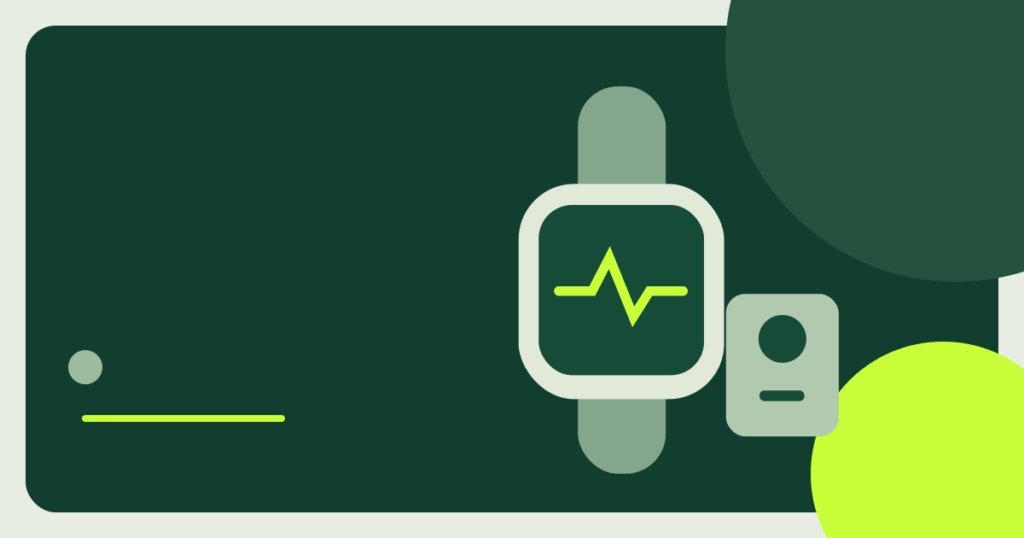
A health-related feature is only useful when you understand what it measures, what it is intended for and what you should do with the information.
Start With the Question, Not the Sensor
A watch can remind you to move, record a walk or help you notice a pattern in your routine. Those are different tasks from diagnosing a condition or deciding whether a medicine dose should change. Before comparing products, write down the everyday question you want the device to help answer.
For eHealth Devices, useful comparison fields include the stated purpose, supported phone, battery routine, comfort and the way information can be exported. A long feature list is less helpful if the device is uncomfortable or the companion app does not work with your phone.
Separate Wellness Claims From Medical Use
Read the manufacturer’s description for the exact model and the market where you will use it. A wellness function and a regulated medical function are not interchangeable. Regulatory status can also differ between countries and between features on the same device.
The US FDA has warned against watches and rings claiming to measure blood glucose by themselves without piercing the skin. Its notice distinguishes those claims from watch apps that display readings supplied by a separate authorised glucose-monitoring device. Do not use an unverified watch reading to change treatment. If a medical decision depends on a measurement, discuss an appropriate device with a qualified healthcare professional.
Look at the Day-to-Day Experience
Check whether the important functions require a subscription, constant phone connection or a particular account. Read how the product handles a missed charge and whether you can review your information without paying an ongoing fee.
Try to establish what evidence supports the claims that matter to you. A seller’s screenshot is not a validation study. If a product listing leaves an important detail unclear, record it as unknown rather than guessing from a similar model.
Keep Personal Information in the Comparison
Health-related information can be sensitive. Review the app permissions, sharing controls, account deletion process and export options. Ask whether a family member or clinician can receive a readable report when you choose to share it.
Use the same questions for each item in your comparison shortlist. A dependable, understandable device that meets one clear need may be more useful than a product offering many unexplained scores. This article provides shopping research, not a diagnosis or a recommendation for individual treatment.
Sources & further reading
KEEP THE CONTEXT
Related coverage
 News
eHealth Devices ↗
Pulse Oximeter Accuracy: What FDA Advice Means for Buyers
News explainer: a pulse oximeter provides an estimate, not a complete picture of someone’s health. FDA consumer guidance helps explain why product claims deserve a…
 Buying guide
eHealth Devices ↗
Buying a Connected Blood Pressure Monitor: Check the Model, Cuff and Support
A connected monitor should be easy to use and suitable for the person using it. Start with the measuring device and cuff, then look at…
 Buying guide
eBusiness Devices ↗
Buying a Barcode Scanner: Test the Whole Checkout Workflow
A scanner is useful when the information reaches the right place in your software. Compare the complete task, not just the ability to recognise a…
NEXT ON YOUR RADAR
Explore the latest →Ideas worth exploring.
Fresh perspectives. Useful technology. Your next good read.
 News
eBusiness Devices ↗
Passkeys and Security Keys: Reading Nist’s Advice Before You Buy
News explainer: stronger sign-in can be built into a device or provided by separate hardware. NIST guidance helps businesses ask better questions before purchasing accessories.
 Buying guide
eMobility Devices ↗
Buying an Electric Bicycle: Look Beyond the Range Claim
An electric bicycle should suit the journeys you make and the way you store, charge and maintain it. Start with fit and support before comparing…
 News
eMobility Devices ↗
EV Charging Maps: Why Stations, Ports and Connectors Are Different
News explainer: a location pin does not tell you everything about a charging stop. Understanding the terms behind a map makes trip planning more useful.
 Insights
eMobility Devices ↗
Choosing eMobility Charging Equipment Around Your Routine
Charging equipment should fit the vehicle, the place you park and the time available. Start with those questions before comparing headline power.
Leave a Reply