
Buying a Connected Blood Pressure Monitor: Check the Model, Cuff and Support
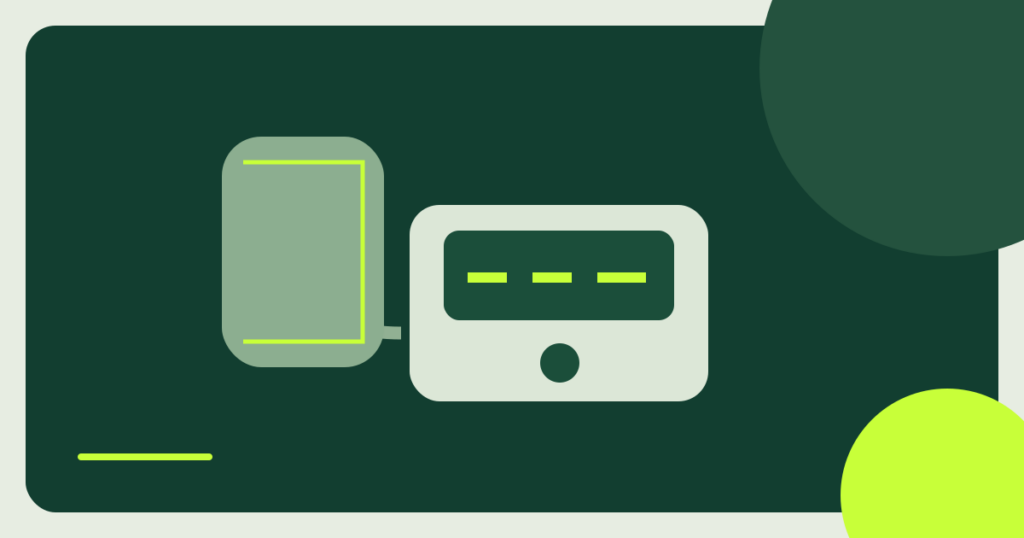
A connected monitor should be easy to use and suitable for the person using it. Start with the measuring device and cuff, then look at the app.
A connected monitor should be easy to use and suitable for the person using it. Start with the measuring device and cuff, then look at the app.
Start With the Intended User
Someone buying their first home monitor may focus on a phone app because it looks familiar. But the device’s suitability matters before its charts or wireless connection. Include the intended user and purpose when researching eHealth Devices, especially if the purchase is part of a care plan.
The American Heart Association recommends a validated automatic upper-arm cuff-style monitor for home use. It also emphasises choosing the correct cuff size and checking suitability for particular users. Ask a healthcare professional or pharmacist about the exact model if you are unsure.
Check the Exact Model and Cuff Range
Record the complete model number, not just the product family. Look for validation information that actually applies to that model and the relevant user group. A vague claim that a product is “clinically tested” is not enough detail to compare one option with another.
Read the supplied cuff’s stated size range and confirm that it is appropriate for the intended user. If another cuff is needed, check that the manufacturer supports it with that specific monitor. Avoid assuming that a similar-looking accessory is interchangeable.
Put Usability Ahead of Extra Screens
Check the display, controls, instructions and power options. Think about where the monitor will be kept and whether another person needs to help with setup. A useful memory function or readable screen can matter more than a long list of app features.
Compare warranties and the route for obtaining help if the device or cuff develops a problem. Ask how replacement accessories are identified and whether they are available locally. Do not assume an online seller handles servicing simply because it handles delivery.
Review the Connected Features Separately
Confirm the supported phone and operating-system versions. Find out whether essential functions work without a phone, whether an account is required and whether there is an ongoing subscription. If several people will use the device, check how their records stay separate.
Review export and sharing options, privacy settings and account deletion. A report should be understandable to the person you choose to share it with; a colourful dashboard alone does not make the information clinically useful.
Complete the Purchase With the Care Plan in Mind
The American Heart Association advises taking a new monitor to a healthcare appointment so its use and readings can be checked. Home monitoring does not replace professional care, and readings are not a reason to stop or change medication without professional advice.
Use a product catalogue to organise candidates, but confirm the device, cuff and support details before paying. This is a purchasing checklist rather than a guide to interpreting blood pressure or choosing treatment.
Sources & further reading
KEEP THE CONTEXT
Related coverage
 News
eHealth Devices ↗
Pulse Oximeter Accuracy: What FDA Advice Means for Buyers
News explainer: a pulse oximeter provides an estimate, not a complete picture of someone’s health. FDA consumer guidance helps explain why product claims deserve a…
 Insights
eHealth Devices ↗
Choosing eHealth Wearables: Useful Features, Clear Limits
A health-related feature is only useful when you understand what it measures, what it is intended for and what you should do with the information.
 Buying guide
eBusiness Devices ↗
Buying a Barcode Scanner: Test the Whole Checkout Workflow
A scanner is useful when the information reaches the right place in your software. Compare the complete task, not just the ability to recognise a…
NEXT ON YOUR RADAR
Explore the latest →Ideas worth exploring.
Fresh perspectives. Useful technology. Your next good read.
 News
eBusiness Devices ↗
Passkeys and Security Keys: Reading Nist’s Advice Before You Buy
News explainer: stronger sign-in can be built into a device or provided by separate hardware. NIST guidance helps businesses ask better questions before purchasing accessories.
 Buying guide
eMobility Devices ↗
Buying an Electric Bicycle: Look Beyond the Range Claim
An electric bicycle should suit the journeys you make and the way you store, charge and maintain it. Start with fit and support before comparing…
 News
eMobility Devices ↗
EV Charging Maps: Why Stations, Ports and Connectors Are Different
News explainer: a location pin does not tell you everything about a charging stop. Understanding the terms behind a map makes trip planning more useful.
 Insights
eMobility Devices ↗
Choosing eMobility Charging Equipment Around Your Routine
Charging equipment should fit the vehicle, the place you park and the time available. Start with those questions before comparing headline power.
Leave a Reply